
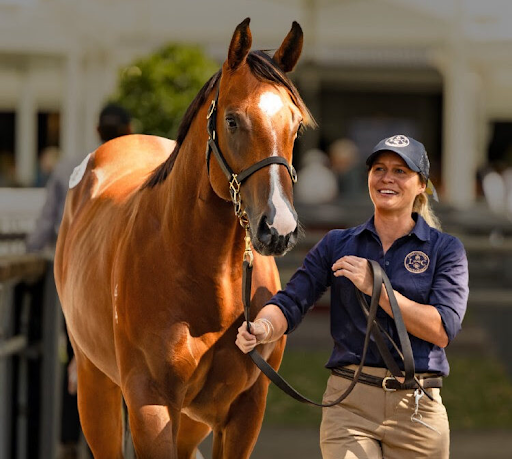
Horse racing in India is a structured and historically rich sport that operates through a network of regional turf authorities, each contributing to the development of thoroughbred racing. Among these institutions, the Delhi Race Club holds a unique position as one of the early organized racing bodies in northern India. Established in the early 20th century, it has played an important role in maintaining racing culture in the capital region while supporting competitive events and regulated race meetings. The Delhi Race Club has long been associated with promoting horse racing as a formal sport, helping shape the framework that connects various racing centers across the country, including major clubs like the Bangalore Turf Club.
History of Delhi Race Club
The Delhi Race Club traces its origins back to 1926, making it one of the older racing institutions in India. Initially formed to promote organized horse racing in northern India, it later evolved into a structured body responsible for managing race events, maintaining racing standards, and supporting the development of thoroughbred racing.
Over time, the club became part of India’s broader turf authority network, which includes racing centers in Mumbai, Kolkata, Hyderabad, Mysore, and Bangalore. Despite changes in land use and urban development pressures, the Delhi Race Club has continued to remain relevant in discussions about Indian horse racing heritage and infrastructure.
Structure of Horse Racing in India
Horse racing in India follows a standardized framework designed to ensure fairness and competitive balance. Each race is carefully planned based on several factors:
- Horse age and classification
- Handicap ratings assigned by officials
- Race distance categories
- Assigned weights for fairness
- Track and turf conditions
- Class of competition
These elements ensure that races remain competitive while giving horses of similar ability the opportunity to perform under balanced conditions.
Importance of Regional Racing Clubs
India’s horse racing ecosystem is supported by several major turf authorities that organize regional race calendars and maintain industry standards. Among them, the Bangalore Turf Club is one of the most prominent institutions in southern India.
The Bangalore Turf Club has contributed significantly to the development of Indian horse racing by hosting major seasonal race meetings, supporting breeding programs, and maintaining high-quality racing infrastructure. Its events attract top jockeys, trainers, and horses from across the country, making it a key part of the national racing circuit.
Together, institutions like the Delhi Race Club and Bangalore Turf Club form a connected network that allows horses to compete across regions and build consistent performance records.
How Race Results Are Evaluated
Race outcomes are analyzed beyond just the finishing positions. Trainers, analysts, and enthusiasts study multiple performance indicators to assess a horse’s ability and future potential.
Key evaluation factors include:
- Winning margins
- Race timings
- Track conditions
- Weight carried
- Jockey strategy
- Consistency across races
These factors help determine how well a horse performs under different conditions and against varying levels of competition.
Evolution of Horse Racing in India
Horse racing in India has evolved from colonial-era racecourses to a structured national sport governed by turf authorities. Over time, improvements in training methods, breeding practices, and race regulations have made the sport more competitive and data-driven.
Clubs like the Delhi Race Club and Bangalore Turf Club have played essential roles in this evolution by maintaining racing traditions while adapting to modern standards. This balance between heritage and modernization has helped sustain the sport’s popularity across generations.
Role of Trainers, Jockeys, and Owners
Behind every race is a coordinated effort involving multiple professionals who contribute to a horse’s performance.
Key participants include:
- Owners who invest in racehorses
- Trainers who develop fitness and strategy
- Jockeys who execute race-day plans
- Stable staff who maintain daily care
- Veterinarians who ensure health and safety
- Officials who enforce race regulations
Each role is essential in ensuring fair competition and maintaining the integrity of the sport.
Horse Welfare in Modern Racing
Modern horse racing places strong emphasis on animal welfare. Regular veterinary checks, structured training programs, and strict race-day protocols ensure that horses are fit and healthy to compete.
Turf authorities across India have implemented welfare standards that focus on injury prevention, ethical training practices, and safe racing environments, helping improve the overall sustainability of the sport.
Conclusion
The Delhi Race Club remains an important part of India’s horse racing heritage, contributing to the structured development of the sport and maintaining its historical significance in the capital region. Alongside major organizations such as the Bangalore Turf Club, it helps sustain a connected and competitive racing network that continues to shape the future of Indian horse racing. Its role within the broader racing ecosystem highlights how regional institutions collectively support national-level competition and industry growth.