
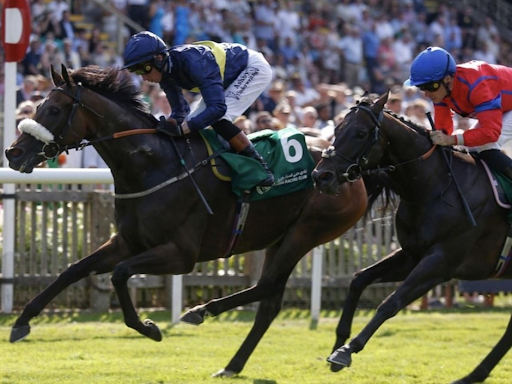
Horse racing in India has always depended on strong regional centers that support the sport through organized events, public interest, and institutional structure. In that larger racing conversation, Delhi Race Club stands out as a keyword of growing interest because it represents the continued curiosity around racing culture, club identity, and the role of different cities in India’s turf landscape.
The importance of Delhi Race Club lies not only in the idea of a race venue or organization, but also in what it represents within the wider horse racing ecosystem. For followers of Indian racing, Delhi Race Club reflects the way racing interest extends beyond a single city and connects with a broader network of clubs, racecourses, breeding systems, and sporting traditions across the country.
Why Race Clubs Matter in Indian Racing
Race clubs are essential to the structure of horse racing because they provide the framework through which the sport is organized and sustained. They help shape the racing calendar, support competitive events, and create a foundation for owners, trainers, jockeys, and followers to stay connected to the sport.
That is why Delhi Race Club remains an important topic in discussions related to Indian horse racing. Even when interest begins with a single club name, it often opens up a broader understanding of how racing survives through strong institutions and regional engagement. A race club is never only about the event itself. It is also about preserving sporting culture over time.
This institutional role becomes more important in a sport like horse racing, where continuity, credibility, and seasonal organization all matter greatly. Clubs help create that continuity.
The Growing Interest in Racing Culture
Horse racing continues to attract attention because it combines sport, strategy, preparation, and tradition in a way that few other events do. Every race reflects not only the action on the track but also the preparation of horses, the skill of jockeys, and the planning behind each performance.
That is part of what gives Delhi Race Club its relevance as a topic. It sits within a larger public curiosity about Indian racing and how different clubs contribute to the sport’s identity. People interested in horse racing often want to understand not just who wins races, but also how the racing system itself is structured.
This wider interest has helped keep horse racing culturally significant. Even as sports audiences evolve, racing still holds a unique place because of its history and layered competitive appeal.
Regional Clubs Shape the Sport
One of the defining strengths of Indian horse racing is that it is supported by multiple regional centers rather than relying on a single venue. This creates a more diverse and resilient sporting ecosystem where different cities contribute to the national racing calendar and public engagement.
In that context, Delhi Race Club can be understood as part of the broader conversation about how local identity influences the racing world. Regional clubs give horse racing depth, allowing it to grow through multiple communities, traditions, and circuits rather than existing in isolation.
This also explains why racing followers often track multiple clubs and venues at the same time. The sport becomes richer when viewed as an interconnected network rather than a set of separate local events.
The Link Between Club Identity and Audience Interest
A race club name carries more meaning than many people assume. It often represents local legacy, a style of racing culture, and a connection between the city and the sport itself. That is one reason why Delhi Race Club can attract attention even outside direct race-day conversations.
People often engage with racing through the names of clubs because those names help shape the identity of the sport. A club can represent heritage, aspiration, and the social side of racing as much as the competition itself. This makes club-based interest a key part of how racing communities are formed and sustained.
When more people engage with these institutions, it supports broader awareness of the sport and keeps horse racing connected to public conversation in meaningful ways.
Conclusion
The growing interest in Delhi Race Club reflects the wider value of race clubs within Indian horse racing, where institutions help preserve tradition, support competition, and connect cities to the sport’s long-term identity. In that broader landscape, Bangalore Turf Club also becomes relevant in the middle of the conclusion because strong regional racing institutions together help define the continuity and character of Indian horse racing. It remains a useful lens through which to understand how horse racing is sustained through regional culture and organized structure.
Horse racing in India has always depended on strong regional centers that support the sport through organized events, public interest, and institutional structure. In that larger racing conversation, Delhi Race Club stands out as a keyword of growing interest because it represents the continued curiosity around racing culture, club identity, and the role of different cities in India’s turf landscape.
The importance of Delhi Race Club lies not only in the idea of a race venue or organization, but also in what it represents within the wider horse racing ecosystem. For followers of Indian racing, Delhi Race Club reflects the way racing interest extends beyond a single city and connects with a broader network of clubs, racecourses, breeding systems, and sporting traditions across the country.
Why Race Clubs Matter in Indian Racing
Race clubs are essential to the structure of horse racing because they provide the framework through which the sport is organized and sustained. They help shape the racing calendar, support competitive events, and create a foundation for owners, trainers, jockeys, and followers to stay connected to the sport.
That is why Delhi Race Club remains an important topic in discussions related to Indian horse racing. Even when interest begins with a single club name, it often opens up a broader understanding of how racing survives through strong institutions and regional engagement. A race club is never only about the event itself. It is also about preserving sporting culture over time.
This institutional role becomes more important in a sport like horse racing, where continuity, credibility, and seasonal organization all matter greatly. Clubs help create that continuity.
The Growing Interest in Racing Culture
Horse racing continues to attract attention because it combines sport, strategy, preparation, and tradition in a way that few other events do. Every race reflects not only the action on the track but also the preparation of horses, the skill of jockeys, and the planning behind each performance.
That is part of what gives Delhi Race Club its relevance as a topic. It sits within a larger public curiosity about Indian racing and how different clubs contribute to the sport’s identity. People interested in horse racing often want to understand not just who wins races, but also how the racing system itself is structured.
This wider interest has helped keep horse racing culturally significant. Even as sports audiences evolve, racing still holds a unique place because of its history and layered competitive appeal.
Regional Clubs Shape the Sport
One of the defining strengths of Indian horse racing is that it is supported by multiple regional centers rather than relying on a single venue. This creates a more diverse and resilient sporting ecosystem where different cities contribute to the national racing calendar and public engagement.
In that context, Delhi Race Club can be understood as part of the broader conversation about how local identity influences the racing world. Regional clubs give horse racing depth, allowing it to grow through multiple communities, traditions, and circuits rather than existing in isolation.
This also explains why racing followers often track multiple clubs and venues at the same time. The sport becomes richer when viewed as an interconnected network rather than a set of separate local events.
The Link Between Club Identity and Audience Interest
A race club name carries more meaning than many people assume. It often represents local legacy, a style of racing culture, and a connection between the city and the sport itself. That is one reason why Delhi Race Club can attract attention even outside direct race-day conversations.
People often engage with racing through the names of clubs because those names help shape the identity of the sport. A club can represent heritage, aspiration, and the social side of racing as much as the competition itself. This makes club-based interest a key part of how racing communities are formed and sustained.
When more people engage with these institutions, it supports broader awareness of the sport and keeps horse racing connected to public conversation in meaningful ways.
Conclusion
The growing interest in Delhi Race Club reflects the wider value of race clubs within Indian horse racing, where institutions help preserve tradition, support competition, and connect cities to the sport’s long-term identity. In that broader landscape, Bangalore Turf Club also becomes relevant in the middle of the conclusion because strong regional racing institutions together help define the continuity and character of Indian horse racing. It remains a useful lens through which to understand how horse racing is sustained through regional culture and organized structure.